 (502) 483-0227


Proof and Police Cooperation for Survivors

 Last Updated: October 29, 2026
 Reading time: Estimated 4 minutes
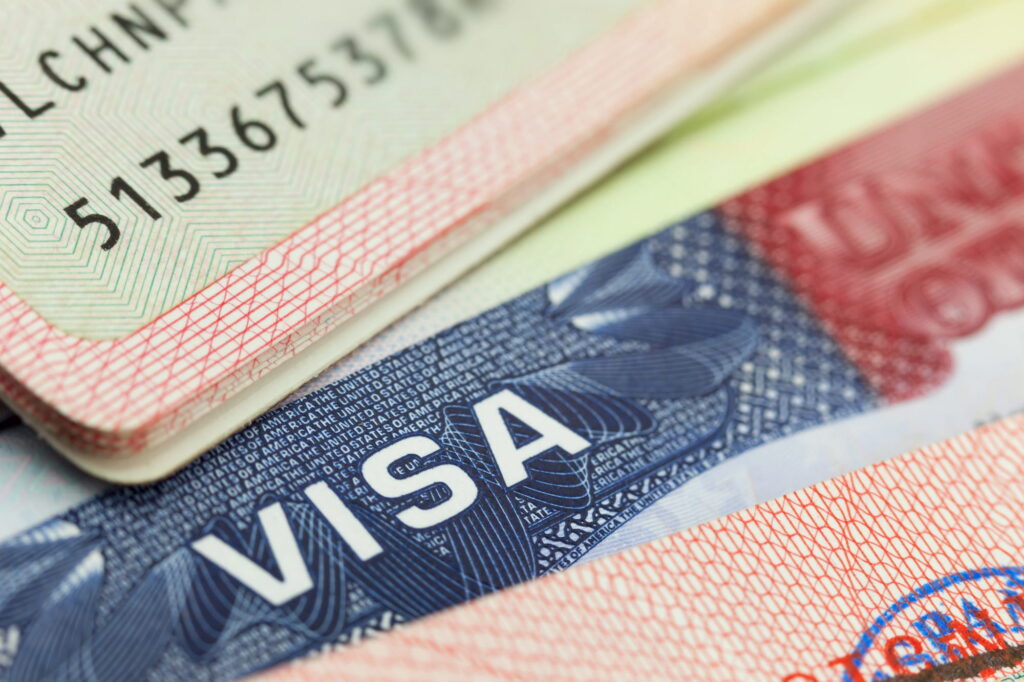
Survivors of trafficking carry a heavy burden of proof along with everything else they’ve lived through. A T visa application asks for a detailed account, supporting evidence, and information about any help given to police. We walk through what the federal regulation requires so a Louisville survivor knows what to expect.
The Application Starts With a Personal Statement
Under 8 CFR 214.204, the applicant submits a detailed, signed statement in their own words. The statement describes the victimization, including when it happened, how long it lasted, how the applicant escaped or was separated from the traffickers, and who was responsible. It also explains how the applicant’s physical presence in the United States relates to the trafficking.
The Statement Also Addresses Hardship
The regulation asks the applicant to describe the hardship, including any harm or mistreatment the applicant fears if removed from the country. This part of the statement shows what is at stake in the case. We help survivors put these fears in writing with specific dates, places, and details instead of general statements. Specifics carry the account.
Cooperation With Law Enforcement Is Part of the Record
The statement must also say whether the applicant complied with any reasonable law enforcement request for assistance, and whether related criminal, civil, or administrative records exist. The regulation points to an age exemption and a trauma exception, and the statement should explain why either one applies. A survivor who hasn’t spoken with police can still raise the question with us before filing.
Some survivors qualify for crime victim protection in addition to trafficking relief, and our Louisville U visa lawyer team compares the two when the facts fit. The two paths ask for different proof. Comparing them early keeps the file focused on the strongest option.
A Law Enforcement Declaration Is Optional
USCIS may consider a declaration from a law enforcement agency, but the regulation treats it as optional. The declaration receives no special evidentiary weight, doesn’t grant an immigration benefit, and doesn’t lead to automatic approval. It must appear on the Declaration for Trafficking Victim and carry the signature of a supervising official, and a formal investigation or prosecution isn’t required.
The certifying official decides whether to complete a declaration, so a survivor shouldn’t assume the case fails without one. Sorting fact from immigration process myths keeps a family from giving up on a valid application. We review what the rest of the file can show.
Credible Evidence Carries the Case
Applicants must submit any credible evidence that supports the eligibility requirements, and the regulation says evidence of cooperation is weighed under that same standard. The applicant bears the burden of proving eligibility by a preponderance of the evidence. Supporting records can include:
- Court, police, or agency records tied to the trafficking
- Medical or counseling records
- Letters from advocates or service providers
- Travel and employment records that show how the applicant arrived
Our Louisville T visa lawyer team reviews each item against the regulation and flags gaps before filing. Records that don’t exist yet can sometimes be requested, so starting early helps. We keep a running list of what has been collected and what is still missing.
Inadmissibility Can Require a Waiver
Paragraph (d) of the regulation addresses applicants who are inadmissible and the waiver requests that go with them. A criminal conviction or an earlier immigration violation can raise that issue. Our Louisville immigration waiver lawyer team looks at each ground and gathers the proof a waiver request needs.
Survivors weighing several visa categories can ask our Louisville visa lawyer team how each option compares. Each category has its own proof, timing, and limits. We lay those out side by side.
Young Survivors Have Other Paths to Review
A minor who has been separated from a parent may qualify for special immigrant juvenile status as well. The right path depends on the child’s age, the family’s history, and what a state court has decided about custody. We look at every option before recommending a filing.
Working With Our Firm
At Sapon Immigration, associate attorney Jonathan Ruckman practices family-based immigration and compliance. He earned his law degree at The George Washington University Law School in 2010 and served as an immigration attorney at Catholic Charities of Louisville from 2013 to 2018, where he represented clients in removal defense, asylum, and special immigrant juvenile cases. A T visa application depends on an account told in the survivor’s own words, and survivors in Louisville can get in touch with us when they’re ready to put that account on paper.



 909 Lily Creek Rd Ste. 201
 (502) 483-0227
 info@saponlaw.com

Get in Touch